
Choosing the right gym outfit can feel overwhelming when you’re trying to balance style with serious performance. The wrong fabric leaves you drenched and uncomfortable, while poor fit restricts your movement and kills your confidence. This guide breaks down the exact criteria you need to evaluate, from moisture-wicking technology to garment construction, and presents top outfit options backed by performance data. You’ll learn which fabrics excel for different training styles, how emerging smart textiles are reshaping activewear, and practical ways to build a versatile gym wardrobe that works as hard as you do.
Table of Contents
- How To Choose The Best Gym Outfit: Key Criteria Explained
- Top Stylish And Functional Gym Outfit Pieces For Men
- Comparing Gym Outfit Fabrics And Technologies In 2026
- Situational Gym Outfit Recommendations For Different Workouts And Climates
- Find Your Perfect Gym Outfit At FitnessThreads
- FAQ
Key takeaways
| Point | Details |
|---|---|
| Fabric technology matters | Synthetic materials like polyester boost workout performance through superior moisture management and breathability |
| Smart textiles are emerging | Embedded sensors in activewear provide real-time biometric feedback to optimize training intensity and recovery |
| Activity-specific choices win | Different workouts demand distinct fabric properties and garment features for maximum comfort and results |
| Layering solves climate challenges | Strategic combinations of breathable tees, sweatshirts, and quarter-zips adapt your outfit to any environment |
How to choose the best gym outfit: key criteria explained
Selecting gym apparel goes far beyond picking colors you like. The science behind performance fabrics reveals that synthetic materials improve workout performance by up to 15% compared to traditional cotton. This dramatic difference comes from moisture-wicking technology that pulls sweat away from your skin and spreads it across the fabric surface for rapid evaporation. When you stay dry, your body regulates temperature more efficiently, reducing fatigue and extending your endurance during intense sessions.
Breathability works hand in hand with moisture management. Modern activewear designers optimize garments with mesh panels and compression zones to create strategic ventilation where you need it most. These construction techniques aren’t just aesthetic choices. Mesh inserts under arms and along the back channel airflow to cool your core temperature, while compression zones support muscle groups without restricting movement. The result is clothing that actively participates in your workout rather than just covering your body.
Fit deserves equal attention to fabric choice. Garments that are too tight create pressure points and limit your range of motion, increasing injury risk during dynamic movements like squats or overhead presses. Loose clothing catches on equipment and bunches uncomfortably. Look for cuts designed specifically for athletic movement, with articulated seams that follow your body’s natural lines and gussets in high-mobility areas.
Emerging smart fabrics represent the next frontier in gym apparel. These advanced textiles incorporate sensors that track heart rate, muscle activation, and body temperature in real time. While still premium-priced, they offer serious athletes data-driven insights previously available only through separate wearable devices. The technology integrates seamlessly into the garment, eliminating the need for chest straps or wrist monitors.
Key criteria for evaluating gym outfits:
- Moisture-wicking capability rated for high-intensity training
- Four-way stretch fabric that moves with your body
- Flatlock seams that prevent chafing during repetitive movements
- Antimicrobial treatments to reduce odor between washes
- Reflective elements if you train outdoors in low light
Pro Tip: Test new gym clothes during a moderate workout before wearing them for intense training. This reveals any fit issues or fabric failures when the stakes are lower.
The principles outlined here apply across all activewear categories, though women may prioritize different features in gym outfits for women based on body composition and typical workout styles. Understanding these fundamentals empowers you to make informed purchases rather than relying on marketing hype or influencer endorsements.
Top stylish and functional gym outfit pieces for men
Navigating the crowded activewear market becomes easier when you know which specific pieces deliver proven performance. The Rhone Reign Short-Sleeve Shirt stands out at $68 as the top-rated short-sleeve option, combining GoldFusion anti-odor technology with a modern athletic cut that works for lifting and cardio alike. Its polyester-spandex blend provides excellent stretch recovery, meaning the shirt maintains its shape even after dozens of washes.
For long-sleeve coverage, the Lululemon Metal Vent Tech shirt leads at $88, frequently discounted to $69. The seamless construction eliminates irritation points, while strategically placed mesh panels enhance airflow during high-output training. The extended length prevents ride-up during overhead movements, a common frustration with cheaper alternatives.
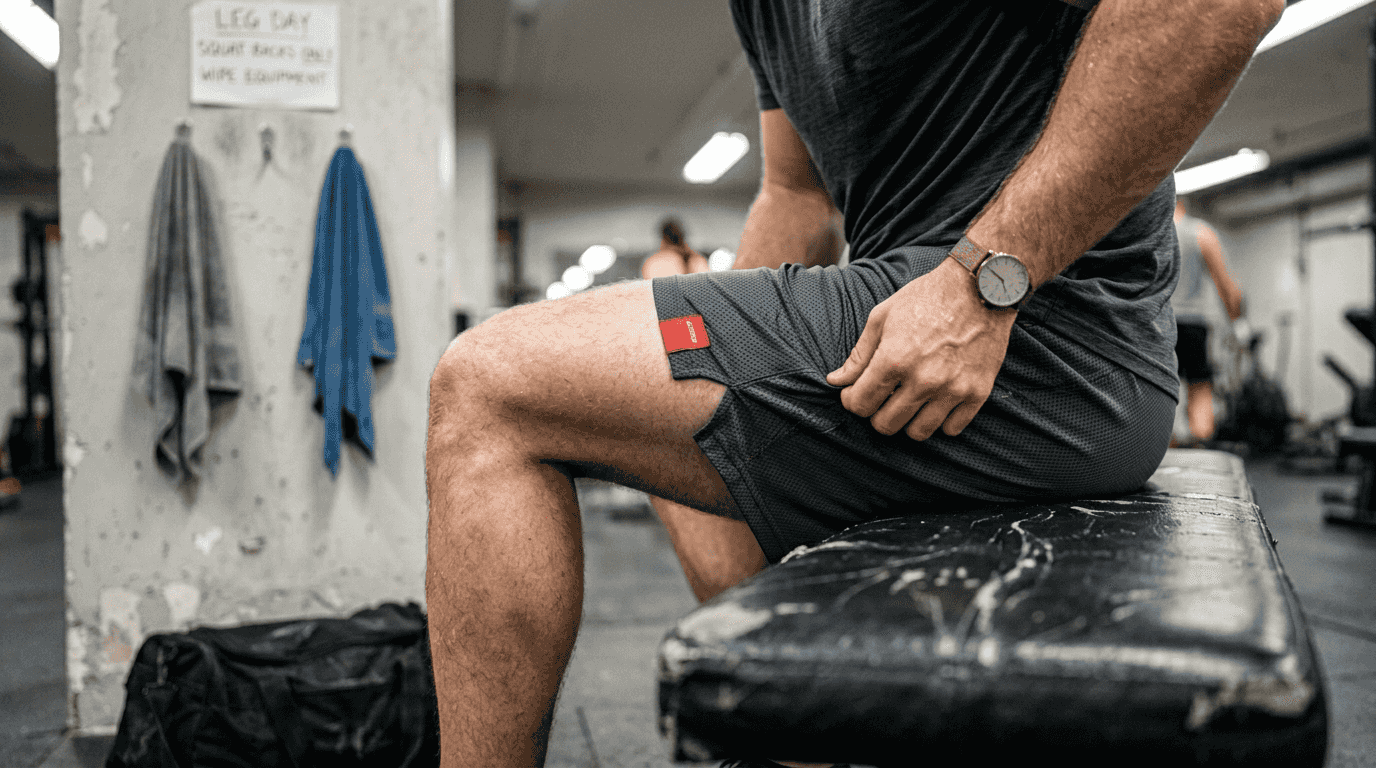
Shorts selection significantly impacts your workout comfort and mobility. Ten Thousand Interval Shorts at $78 feature a unique 2-in-1 design with compression liner and outer shell, providing support without the restricted feeling of traditional compression shorts. The lightweight fabric dries remarkably fast, making these ideal for circuit training or HIIT sessions where sweat output peaks.
Layering pieces extend your gym wardrobe’s versatility across seasons. The Vuori Coronado Hoodie at $138 uses a French terry fabric that balances warmth with breathability, perfect for outdoor runs in cool weather or post-workout recovery. Unlike bulky cotton hoodies, this piece packs small and resists holding moisture. FitnessThreads offers comparable options like the Prime Gym Hoodie in gray and Impact Gym Hoodie in white, both engineered with moisture-wicking fabrics and athletic fits.
Specialized accessories complete a comprehensive gym outfit. For outdoor athletes, District Vision Yukinori running sunglasses at $350 represent a premium investment in eye protection and visual clarity. The wrap-around design stays secure during intense movement, while the acetate frames resist sweat corrosion better than metal alternatives.
| Brand/Item | Price | Key Features |
|---|---|---|
| Rhone Reign Tee | $68 | GoldFusion anti-odor, polyester-spandex blend, athletic cut |
| Lululemon Metal Vent Tech | $88 ($69 sale) | Seamless construction, mesh ventilation, extended length |
| Ten Thousand Interval Shorts | $78 | 2-in-1 design, compression liner, quick-dry fabric |
| Vuori Coronado Hoodie | $138 | French terry, packable, moisture-resistant |
| District Vision Sunglasses | $350 | Wrap-around fit, acetate frame, sweat-resistant |
Pro Tip: Match your outfit investment to your training frequency. If you hit the gym five days weekly, premium pieces justify their cost through durability and performance gains. Casual gym-goers can prioritize mid-range options without sacrificing essential features.
These specific recommendations provide a starting framework, but your ideal outfit depends on your primary training style, body type, and climate. The next section explores how fabric technology influences these choices at a deeper level.
Comparing gym outfit fabrics and technologies in 2026
Fabric selection forms the foundation of any effective gym outfit, yet many men default to whatever feels soft in the store without considering performance implications. Cotton, while comfortable initially, absorbs moisture and holds it against your skin. This creates a heavy, clammy feeling during workouts and dramatically slows drying time afterward. The fabric also loses shape quickly with repeated washing and stretching.
Polyester dominates modern activewear for good reason. Its hydrophobic nature repels water, forcing sweat to the fabric surface where it evaporates rapidly. Polyester maintains structural integrity through hundreds of wash cycles and resists fading from sun exposure. The main drawback is odor retention, though antimicrobial treatments largely solve this issue in quality garments.
Nylon offers similar moisture-wicking properties to polyester with a softer hand feel. It’s exceptionally durable and abrasion-resistant, making it ideal for activities involving equipment contact or floor work. Nylon blends with spandex create the four-way stretch crucial for unrestricted movement. However, nylon typically costs more than polyester and can pill with friction over time.
Smart textiles represent a quantum leap beyond traditional fabrics. The smart textile market is projected to reach $4.7 billion with activewear applications improving training efficiency by up to 20% through real-time biometric feedback. These garments embed conductive fibers that monitor heart rate variability, breathing patterns, and muscle activation without external devices. The data syncs to your smartphone, providing insights that help optimize workout intensity and recovery timing.
Graphene-based materials push fabric technology even further. Graphene FIR compression garments show promising improvements for aerobic performance and recovery through far-infrared radiation that penetrates deep into muscle tissue. Early research indicates enhanced blood flow and reduced inflammation, though these advanced fabrics command premium prices and remain relatively rare in consumer markets.
| Fabric Type | Moisture-Wicking | Breathability | Durability | Tech Integration |
|---|---|---|---|---|
| Cotton | Poor | Moderate | Low | None |
| Polyester | Excellent | High | Very High | Compatible |
| Nylon | Excellent | High | Excellent | Compatible |
| Smart Textiles | Excellent | High | High | Native Sensors |
| Graphene Blends | Superior | Very High | Excellent | Advanced Monitoring |
Fabric pros and cons:
- Polyester: Affordable, durable, fast-drying; can retain odors without treatment
- Nylon: Soft, stretchy, abrasion-resistant; higher cost, potential pilling
- Smart textiles: Real-time data, device-free monitoring; expensive, requires charging
- Graphene: Enhanced recovery, superior performance; limited availability, premium pricing
- Cotton: Comfortable initially, widely available; poor moisture management, loses shape
Pro Tip: If you train frequently and want a performance edge, invest in one or two smart textile pieces for key workouts. Use standard synthetic fabrics for routine sessions to maximize your budget without compromising essential moisture management.
Understanding these fabric distinctions helps you decode marketing claims and identify genuinely high-performance gear. The next section applies this knowledge to specific workout scenarios and environmental conditions.
Situational gym outfit recommendations for different workouts and climates
Your optimal gym outfit shifts dramatically based on training intensity, movement patterns, and environmental factors. A one-size-fits-all approach leaves you overheating during HIIT or underdressed for outdoor winter runs. Strategic outfit selection enhances comfort and performance across diverse scenarios.
High-intensity interval training generates maximum sweat output in short bursts. This demands fabrics with aggressive moisture management through transport, spreading, and evaporation phases working in concert. Choose fitted tanks or short-sleeve tees in lightweight polyester or nylon blends. Avoid loose clothing that traps heat and restricts explosive movements. Shorts should feature brief liners for support without bulk.
Strength training prioritizes mobility over maximum breathability. Opt for slightly heavier fabrics with substantial stretch that won’t ride up during squats or deadlifts. Long sleeves protect skin from barbell knurling, while fitted cuts prevent catching on rack uprights. Quarter-zip pullovers like the Pulse model in black offer adjustable ventilation as your body temperature fluctuates between sets.
Outdoor running in moderate weather works best with a streamlined approach. A moisture-wicking tee and running shorts form the foundation, with lightweight wind-resistant jacket as backup. Reflective elements become non-negotiable for early morning or evening sessions. Avoid cotton socks, which cause blisters, in favor of synthetic or merino wool blends.
Cold-weather outdoor training requires intelligent layering. Start with a fitted base layer that wicks moisture, add an insulating mid-layer like a performance sweatshirt, and top with a wind-blocking shell if needed. The key is removing layers as you warm up rather than starting overdressed. Extremities lose heat rapidly, so invest in quality gloves and a moisture-wicking beanie.
- HIIT and circuit training: Lightweight polyester tank, compression-lined shorts, minimal coverage for maximum cooling
- Heavy lifting sessions: Four-way stretch tee or long sleeve, supportive shorts or joggers, focus on mobility
- Moderate outdoor cardio: Moisture-wicking tee, running shorts, packable wind jacket, reflective details
- Cold-weather outdoor work: Base layer plus insulating mid-layer, wind-resistant outer shell, technical gloves and beanie
- Hot yoga or indoor cycling: Minimal, form-fitting pieces in ultra-lightweight fabrics, prioritize breathability over coverage
- Recovery and stretching: Comfortable joggers, relaxed-fit tee or hoodie, warmth without restriction
Many men fall into the trap of buying trendy influencer-branded apparel that looks great but fails performance tests after a few washes. True moisture management systems maintain effectiveness through dozens of laundering cycles, while cheaper alternatives lose their wicking properties as treatments wash out. Read care labels carefully and follow washing instructions to preserve fabric technology.
Climate considerations extend beyond temperature alone. Humidity dramatically impacts how effectively sweat evaporates, making fabric choice even more critical in muggy conditions. Desert environments with low humidity allow lighter coverage, while tropical climates demand maximum breathability despite high temperatures.
Find your perfect gym outfit at FitnessThreads
Building a gym wardrobe that balances style with serious performance doesn’t require guesswork when you shop at FitnessThreads. The curated selection focuses exclusively on technical fabrics and athletic cuts designed for real training demands, not just lifestyle aesthetics. From moisture-wicking tees to insulating layers, every piece undergoes rigorous testing to ensure it performs under pressure.
Explore versatile options like the Velocity Gym Sweatshirt in navy for cool-weather training, or the Impact Gym Hoodie in white when you need post-workout coverage that breathes. The collection spans all essential categories, allowing you to build complete outfits tailored to your specific training style and climate.

Whether you’re upgrading a single piece or overhauling your entire gym wardrobe, FitnessThreads delivers the performance-first approach serious athletes demand. Shop the collections featured throughout this guide and experience the difference quality activewear makes in your training results.
FAQ
What fabrics are best for gym workouts?
Synthetic fabrics like polyester and nylon excel for gym workouts due to superior moisture-wicking and breathability that keeps you dry and comfortable. Avoid cotton for intense training sessions, as it absorbs sweat and stays wet against your skin, creating discomfort and potential chafing.
How does smart fabric improve gym performance?
Smart fabrics monitor biometrics including heart rate, breathing patterns, and muscle activation through embedded sensors woven directly into the garment. This real-time data helps you optimize workout intensity, track recovery status, and adjust training variables without wearing separate devices.
Can I wear the same gym outfit for indoor and outdoor workouts?
Layering solves the indoor-outdoor challenge by letting you adapt to changing conditions. Start with breathable moisture-wicking tees for indoor training, then add sweatshirts or quarter-zip pullovers when heading outside. Choose versatile fabrics that perform across temperature ranges and pack layers you can remove as you warm up.
What features should I look for in workout shorts?
Prioritize moisture-wicking, quick-dry fabrics with a comfortable elastic or drawstring waistband that stays secure during dynamic movements. Check for zippered pockets to secure keys and phone, mesh ventilation panels for airflow, and appropriate inseam length for your primary training style.