
How Activewear Impacts Your Workout Performance and Recovery
Many fitness enthusiasts believe activewear is purely aesthetic, assuming any comfortable clothes work equally well for workouts. This misconception overlooks decades of textile science proving that specific fabric technologies, compression features, and design elements directly influence exercise performance and recovery outcomes. Scientific research now demonstrates that compression wear improves stability by 12% during dynamic movements while moisture-wicking fabrics reduce perceived exertion by up to 30%. This article examines evidence-based insights into how compression, moisture management, proper fit, and cutting-edge innovations transform your training effectiveness and post-workout recovery.
Key takeaways
How compression activewear enhances stability and recovery
Compression technology represents one of the most scientifically validated activewear innovations for serious athletes. Research shows that ankle-length compression tights improve dynamic postural stability while reducing frontal plane knee and hip moments during landings by measurable percentages. This biomechanical advantage translates directly into safer, more controlled movements during plyometric exercises, sprints, and directional changes that stress joints and connective tissues.
The physiological benefits extend beyond immediate stability improvements. Compression wear enhances venous return and reduces muscle soreness by 10-15% while improving power output by 5-10% through enhanced blood flow. Graduated compression creates a pressure gradient that pushes deoxygenated blood back toward the heart more efficiently, accelerating nutrient delivery to working muscles and removing metabolic waste products like lactate that contribute to fatigue and delayed-onset soreness.
Muscle oscillation during high-impact activities creates microtrauma that compounds tissue damage and extends recovery windows. Compression helps reduce muscle oscillation and microtrauma by maintaining muscle alignment throughout the exercise range of motion. This mechanical support limits the secondary damage cascade that occurs when muscle fibers vibrate excessively during eccentric contractions or repetitive impact.
Key compression benefits include:
- Enhanced proprioception allowing better body awareness during complex movements
- Reduced muscle fatigue through improved oxygenation and waste removal
- Faster recovery timelines enabling more frequent high-intensity training sessions
- Lower injury rates from improved joint stability and reduced tissue oscillation
"Compression garments function as external scaffolding that supports soft tissue integrity while promoting circulatory efficiency, creating measurable improvements in both acute performance and recovery kinetics."
Select compression leggings that fit snugly but don't restrict movement to maximize benefits without compromising circulation or comfort during extended training sessions.
The role of fabric technology: moisture-wicking and thermoregulation
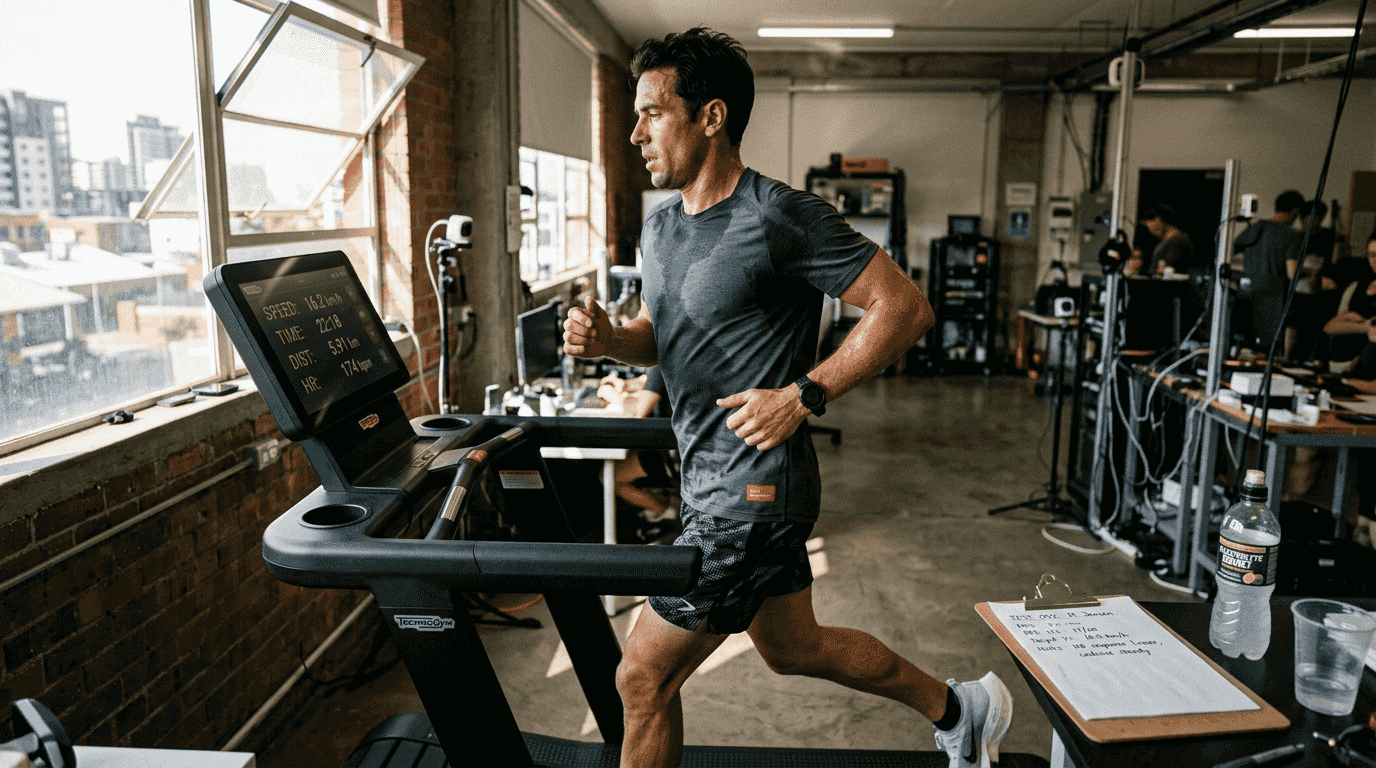
Moisture management separates performance activewear from ordinary athletic clothing through engineered capillary action that moves perspiration away from skin. Moisture-wicking fabrics reduce perceived exertion by 20-30% compared to cotton while improving heat dissipation by 15-25% through faster evaporative cooling. This physiological advantage keeps core temperature regulated during intense training, preventing the performance decline associated with thermal stress.
Advanced sports textiles use capillary-driven moisture transport combined with thermal buffering to maintain optimal body temperature across varying exercise intensities. Synthetic fiber blends create microchannels that pull sweat from skin to outer fabric surfaces where air circulation accelerates evaporation. This engineered architecture prevents the clammy, heavy sensation of saturated cotton that increases friction and reduces comfort.
| Metric | Moisture-Wicking Fabric | Cotton Fabric |
|---|---|---|
| Perceived exertion reduction | 20-30% | 0% (baseline) |
| Heat dissipation improvement | 15-25% | 0% (baseline) |
| Drying time | 15-30 minutes | 2-4 hours |
| Weight when saturated | +8-12% | +40-60% |
The thermal regulation properties extend beyond simple moisture removal. Dynamic compression integrated with moisture-wicking creates a microclimate between fabric and skin that buffers temperature fluctuations during interval training or outdoor workouts in variable conditions. This dual-function design supports both ergonomic movement requirements and physiological temperature control needs simultaneously.
Fabric technology benefits include:
- Reduced chafing and skin irritation from dry, friction-free surfaces
- Maintained core temperature preventing heat-related performance decline
- Lighter weight during workouts as fabrics resist saturation
- Enhanced comfort enabling longer training duration without distraction
Choose activewear with engineered fiber architecture featuring hydrophobic inner layers and hydrophilic outer layers for optimal thermoregulation and moisture control during high-intensity training. Explore sports textile innovations that combine multiple fabric technologies for comprehensive performance support.
Why fit and activity-specific designs matter in activewear
Proper activewear fit directly impacts injury prevention and movement efficiency in measurable ways. Properly fitted activewear reduces injury risk by up to 15% while improving movement efficiency through reduced friction and enhanced proprioceptive feedback. Ill-fitting garments create pressure points, restrict range of motion, or shift during exercise, compromising form and increasing strain on joints and connective tissues.
Ensuring optimal activewear fit requires systematic evaluation:
- Take accurate body measurements including chest, waist, hips, and inseam before purchasing
- Trial garments through full range of motion including squats, lunges, and overhead reaches
- Assess fabric stretch and recovery by pulling material and observing snap-back speed
- Test mobility during dynamic movements to identify restriction points or riding up
- Verify comfort at seams, waistbands, and closures under sustained wear conditions
Activity-specific activewear optimizes performance through targeted design features that address unique biomechanical demands. Activity-specific activewear boosts performance metrics by up to 10-12% compared to general-purpose athletic clothing by providing strategic support, ventilation, and flexibility where each activity requires it most.
| Feature | General-Purpose Activewear | Activity-Specific Activewear |
|---|---|---|
| Support placement | Uniform compression | Targeted zones (knees, core, shoulders) |
| Flexibility | Moderate stretch throughout | Strategic stretch panels for movement |
| Ventilation | Basic breathability | Mesh zones at high-heat areas |
| Performance benefit | 0% (baseline) | 10-12% improvement |
Running apparel prioritizes lightweight moisture-wicking with reflective elements and secure pockets, while yoga wear emphasizes four-way stretch and non-slip waistbands. Strength training gear features reinforced seams and squat-proof opacity that maintains coverage during deep movements. Each design addresses specific friction points, support needs, and mobility requirements unique to its intended activity.
Replace activewear every 6-12 months depending on training frequency to maintain elasticity and support that protects against injury and maximizes performance benefits. Worn elastic loses compression effectiveness and moisture-wicking capacity degrades with repeated washing. Quality seamless sports bras and leggings maintain structural integrity longer than budget alternatives.
Innovations redefining activewear performance in 2026
Smart textile technology represents the cutting edge of activewear innovation in 2026. Smart textiles integrate sensors without compromising wearability, enabling real-time physiological monitoring during training sessions. Embedded conductive fibers track heart rate variability, muscle activation patterns, and biomechanical efficiency without bulky external devices that interfere with natural movement patterns.
Advanced smart textile features include:
- Embedded biosensors monitoring heart rate, respiration, and muscle oxygen saturation
- Conductive yarn networks transmitting data to smartphone apps for instant feedback
- Stimuli-responsive polymers adjusting fabric properties based on body temperature
- Haptic feedback systems providing form correction cues during exercise execution
Multifunctional nanocomposites combine polymer matrices with carbon-based nanomaterials to create fabrics with unprecedented durability and performance characteristics. These engineered materials resist abrasion while maintaining breathability and stretch properties that natural fibers cannot match. The molecular structure creates fabrics that withstand thousands of wash cycles without losing shape or functional properties.
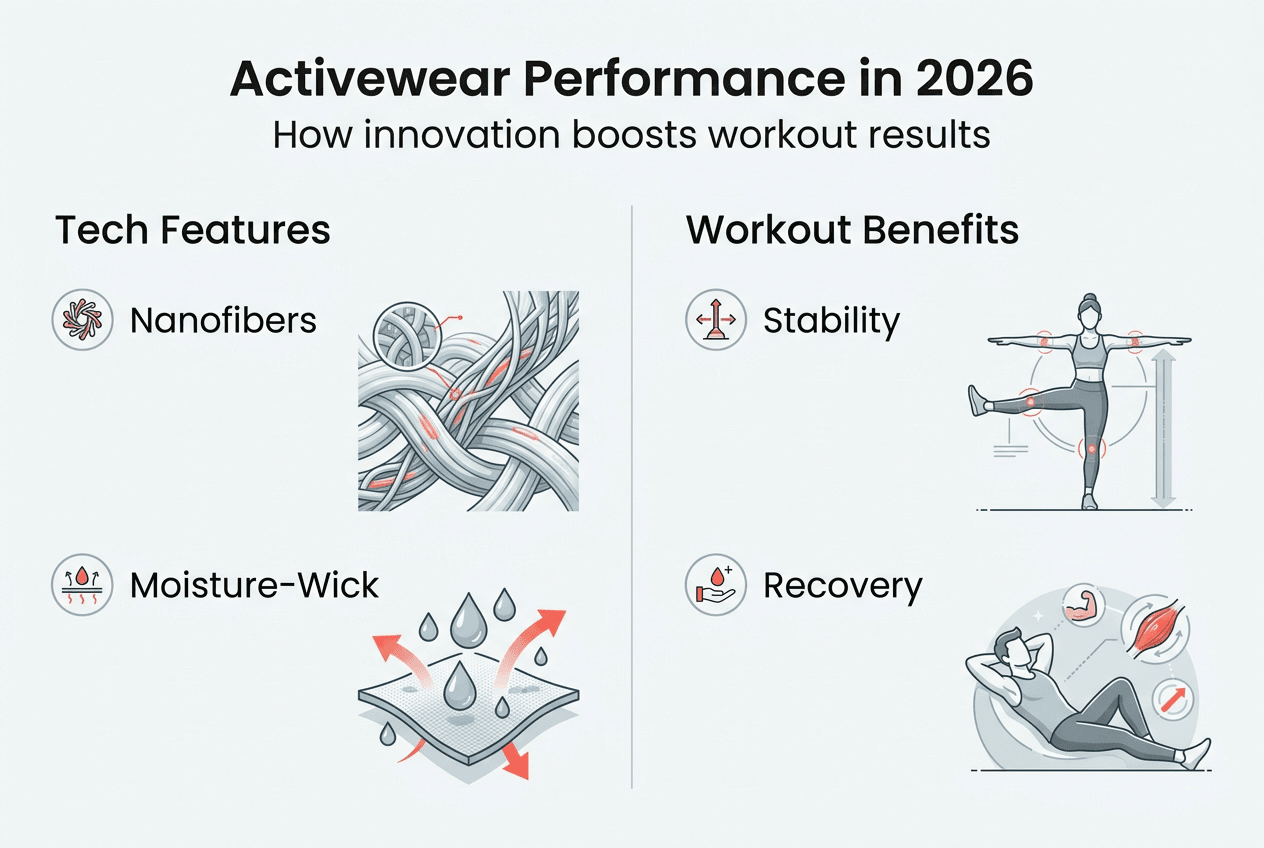
Nanocoatings provide water repellency and antimicrobial action that enhances both durability and hygiene during intense training. Hydrophobic surface treatments cause moisture to bead and roll off fabric surfaces rather than saturating fibers, keeping garments lighter and more comfortable. Antimicrobial silver or copper nanoparticles prevent bacterial growth that causes odor, extending wear time between washes.
Sustainability drives material innovation as brands adopt bio-based fibers and closed-loop manufacturing processes. Recycled polyester from ocean plastics, plant-based elastane alternatives, and biodegradable synthetic blends reduce environmental impact without sacrificing performance. These eco-conscious materials meet the same moisture-wicking, compression, and durability standards as conventional synthetics while addressing consumer demand for responsible manufacturing.
Stimuli-responsive polymers represent perhaps the most exciting frontier in activewear technology. These materials dynamically adjust properties like breathability, insulation, and compression based on environmental conditions or physiological signals. Shape-memory polymers return to predetermined configurations after stretching, maintaining garment fit throughout extended wear. Phase-change materials absorb excess body heat during intense exercise and release it during cool-down periods, buffering temperature fluctuations automatically.
Explore sportswear innovations that incorporate these advanced technologies for training advantages unavailable in conventional athletic clothing.
Find high-performance activewear at FitnessThreads
Applying these performance insights requires activewear that actually incorporates compression technology, moisture-wicking fabrics, and activity-specific designs. FitnessThreads specializes in high-performance activewear engineered with the features discussed throughout this article.
- Moisture-wicking synthetic blends keeping skin dry during high-intensity training
- Activity-specific cuts optimized for running, lifting, yoga, or cross-training
- Reinforced seams and flatlock stitching preventing chafing and extending durability
- Modern designs combining performance functionality with style for gym-to-street versatility
The compression leggings collection features graduated pressure zones that enhance stability during dynamic movements while accelerating post-workout recovery. Four-way stretch fabric moves with your body through full range of motion without restriction, while squat-proof opacity maintains coverage during deep movements.
The Velocity gym sweatshirt exemplifies how proper activewear supports training goals through thoughtful design and quality construction. Upgrade your workout wardrobe with gear that delivers measurable comfort and performance improvements backed by textile science.
Frequently asked questions
Is compression activewear necessary for all workouts?
Compression gear delivers the most significant benefits during high-impact activities like running, plyometrics, or intense strength training where joint stability and muscle oscillation control matter most. Lower-intensity exercises like walking, gentle yoga, or casual cycling gain less from compression technology. Regular moisture-wicking activewear prioritizes comfort and unrestricted movement for these moderate activities without the snug fit compression requires.
How important is the fit of activewear for injury prevention?
Ill-fitting activewear increases injury risk by up to 15% through multiple mechanisms including restricted range of motion, reduced proprioceptive feedback, and pressure points that alter natural movement patterns. Properly fitted clothes enhance movement efficiency by eliminating friction, maintaining consistent compression, and allowing full biomechanical function throughout exercise. The difference between correct and incorrect fit directly impacts training safety and effectiveness.
Do smart textiles really improve workout performance?
Smart textiles enhance training through real-time biometric feedback that helps optimize intensity, identify form breakdowns, and track recovery status between sessions. The adaptive properties of stimuli-responsive fabrics automatically adjust breathability and insulation based on physiological signals, maintaining comfort across varying exercise intensities. Water-repellent and antimicrobial nanocoatings extend garment functionality by resisting saturation and preventing odor-causing bacterial growth during extended wear.
How often should activewear be replaced to maintain effectiveness?
Replace high-use activewear every 6-12 months depending on training frequency and washing practices to maintain compression effectiveness, moisture-wicking capacity, and structural integrity. Worn-out elastic loses graduated pressure that supports muscles and joints, while degraded synthetic fibers absorb moisture rather than wicking it away from skin. Faded colors, loose waistbands, and reduced stretch indicate diminished performance properties that compromise both comfort and injury prevention benefits.