
Comfort That Keeps Up
It starts with the fabric but ends with the fit. The foundation of any great piece of activewear is a technical fabric that balances softness with function. Look for materials that are not only soft on the skin but also highly breathable, allowing heat and sweat to escape so you stay comfortable and focused. The activewear benefits of features like four-way stretch are crucial, providing unrestricted movement for everything from deep squats to dynamic yoga poses. But fabric alone isn't enough. A truly comfortable piece is designed for the human body in motion. This means thoughtful seam placement to prevent chafing, supportive structures like high-waisted bands that stay in place, and activity-specific features that enhance performance. For example, the needs of a runner are different from those of a weightlifter. One may prioritize lightweight, anti-friction materials, while the other needs durable, squat-proof leggings with high compression. The ultimate comfort comes from the synergy of premium, functional fabric and an intelligent, body-conscious design.
Written for Fitness enthusiasts in their 20s and 30s who are tired of their activewear being a distraction and are looking to invest in high-quality, truly comfortable gear that performs as well as it feels.
Comfortable Activewear: The Science of True Comfort
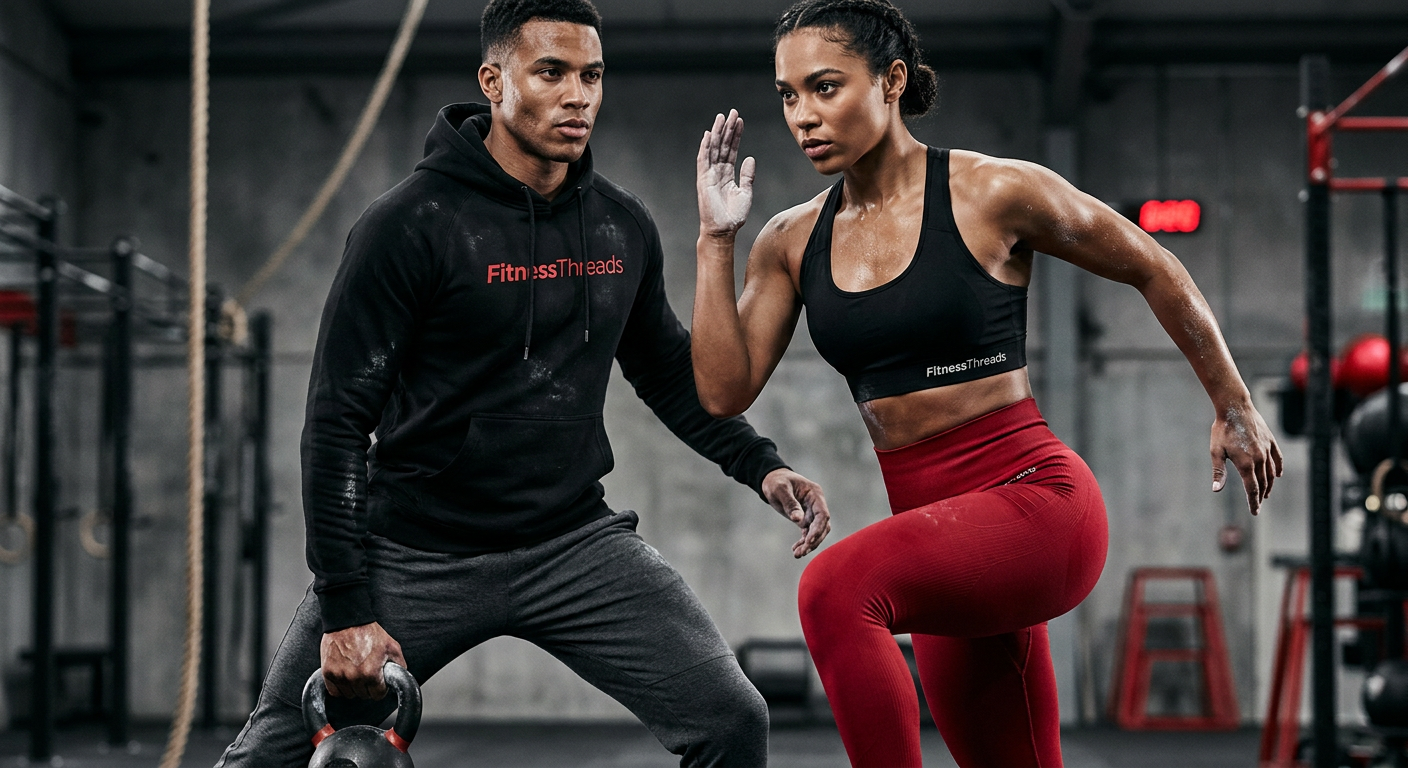
The word 'comfort' gets thrown around. In the world of high-performance gear, it means more than just a soft touch. While buttery-soft fabric is the baseline, truly comfy activewear is an engineering feat. It’s the science of how a garment interacts with your body under stress. Think about your toughest training sessions. Real comfort comes from kit that manages sweat, not just feels nice on the rack. This is where technical fabrics come into play. We're talking about advanced materials designed for superior moisture-wicking. These pull sweat away from your skin to the fabric's surface where it can evaporate. This process is critical for keeping you cool and dry. It prevents the chill that comes from a sweat-soaked shirt during a cool-down.
Beyond wicking, breathability is non-negotiable. Your body generates a massive amount of heat during a workout. Your gear needs to let that heat escape. Modern performance fabrics are constructed with micro-perforations or specific knit patterns. These allow for constant airflow, preventing that 'trapped-in' feeling. This is a core component of thermoregulation. It helps your body maintain its optimal temperature so you can push harder for longer. This focus on fabric science, championed by brands like Nike, is one of the key activewear benefits that separates premium gear from the rest. It’s the difference between a distraction-free PR attempt and feeling weighed down by your own apparel. The goal is gear that feels like a second skin, working with you, not against you.
What Makes Activewear Fabric Comfortable?
A four-way stretch is standard now. However, the real innovation is in the blend. It’s not just about spandex. It’s about combining materials like nylon, polyester, and elastane in precise ratios to create fabrics with specific properties for comfortable workout clothes. Some blends are designed for high-compression to support muscles and improve blood flow. This reduces fatigue during intense sessions. Others focus on a lightweight, barely-there feel. This is perfect for yoga or running where freedom of movement is paramount. The best fabrics offer both support and flexibility without ever feeling restrictive.
Furthermore, the surface and finish of the fabric play a huge role. Some are brushed for that signature peached, ultra-soft feel. Others have a sleek, cool-to-the-touch finish that helps reduce friction. Durability is also a key factor in fabric innovation. Look for materials that are pill-resistant and colorfast. This ensures your gear looks and performs like new even after dozens of washes. Understanding workout clothes care becomes essential to protect these advanced textiles. Modern activewear is an investment in your performance. Its longevity is a critical part of its value.
Engineered Fit: Supportive Activewear Design
The most advanced fabric in the world is useless if the fit is wrong. An engineered fit means every seam, panel, and contour is designed with movement in mind. This is where you see the difference between generic activewear and performance apparel. For example, seamless leggings are a game-changer for comfort. They eliminate side seams to reduce chafing and create a smooth, second-skin silhouette among various signature leggings. Where seams are necessary, flatlock stitching is the gold standard. It lies flat against the skin to prevent irritation during repetitive movements like running or lifting.
Design elements like a high-waisted band on leggings aren't just for style. They provide core support and ensure your leggings stay put. This means you’re not adjusting them mid-squat. A gusseted crotch—that diamond-shaped piece of fabric—is another crucial detail. It provides a greater range of motion and disperses stress for improved durability. This thoughtful construction delivers a truly supportive, flattering fit that moves with your body. It allows you to focus on your form, not your clothes.
Activewear Versatility: From Gym to Lifestyle and Specific Activities
Modern activewear integrates performance fabrics with contemporary aesthetics. This design philosophy allows comfortable activewear to transition seamlessly from athletic pursuits to daily life. Consumers seek garments that support a gym workout. They then function for errands or casual social engagements, building a versatile workout wardrobe. Selecting activewear for specific activities optimizes comfort and performance. Yoga practitioners benefit from flexible, breathable fabrics like bamboo or modal. These allow for a full range of motion and moisture wicking. Runners require lightweight, sweat-wicking materials such as polyester or nylon blends. These often have compression features to support muscles and reduce chafing. Weightlifters need durable, stretchable fabrics that withstand intense movements. These provide muscle support without restricting blood flow. Spandex and elastane blends are common in weightlifting apparel. The right fabric composition and garment construction significantly enhance the wearer's experience across diverse activities. This versatility minimizes wardrobe changes and maximizes utility for active individuals.
Making Your Comfortable Activewear Last Longer
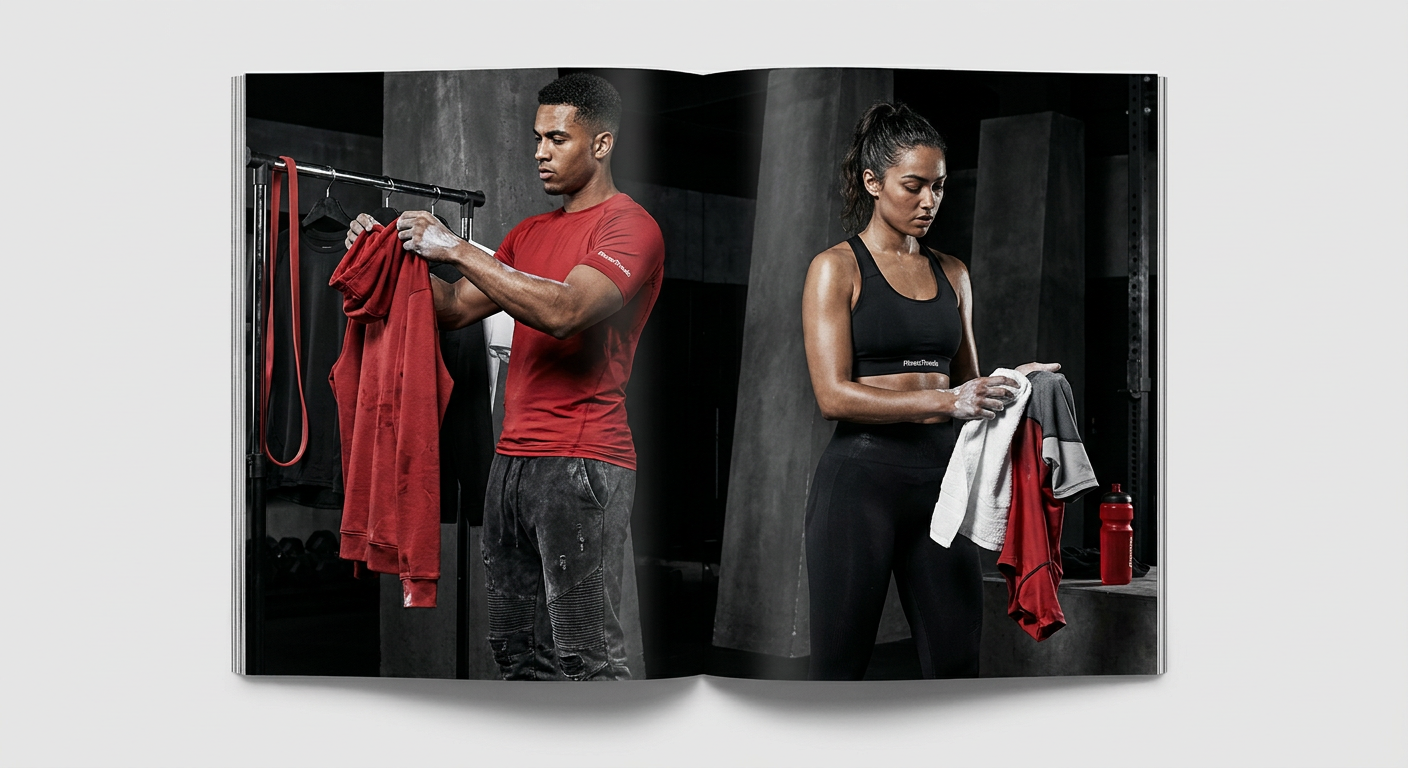
Investing in high-quality, comfortable gym clothes is the first step. The second is knowing how to care for it to protect its performance features for the long haul. The advanced technical fabrics in your gear are not like regular cotton clothing. They require specific care to maintain their integrity. Tossing them in a hot wash with fabric softener is the fastest way to destroy their moisture-wicking capabilities. It also breaks down the elastic fibers that provide that supportive stretch. Proper workout clothes care is not just about cleanliness. It's about preserving the technology woven into the fabric.
First rule: wash in cold water with a sports-specific detergent if possible. Hot water can damage delicate synthetic fibers. It can cause them to lose their shape and elasticity. Second, never use fabric softener. It clogs the pores of the fabric. This effectively creates a barrier that traps sweat and bacteria, while destroying the material's ability to wick moisture. Third, always air dry your activewear. The high heat of a dryer is the enemy of stretch fabrics. It breaks down the elastane and leads to a loss of compression and fit. Laying items flat or hanging them to dry will preserve their shape. This extends their lifespan significantly, ensuring your favorite kit stays comfortable and functional for years of training.
How to Find Your Perfect Comfortable Activewear Fit?
Finding the perfect fit for your comfortable sportswear is the final piece of the comfort puzzle. Even the best fabric will fail you if the size is wrong. Start by taking your measurements—waist, hips, and bust—and comparing them to the brand's size chart. Don't just guess or go with your usual size. Sizing can vary significantly between brands. When trying on gym leggings, perform a 'squat test' in good lighting. Check for sheerness. If the fabric becomes see-through, you may need to size up or choose a more durable fabric. The waistband should sit comfortably without digging in or sliding down when you move. There should be no gaping at the back of the waist.
For sports bras, the band should feel snug but not constricting. You should be able to fit two fingers underneath it. The straps shouldn't dig into your shoulders. Your breasts should be fully contained within the cups without spilling over. Jump up and down a few times to test the level of support. A good fit means you feel secure and supported, not trapped. Remember, the right fit enhances the activewear benefits of compression and support. This leads to a more effective and comfortable workout with your comfy athletic wear. Taking the time to find your perfect size ensures your gear works as hard as you do.
Top Brands for Comfortable Activewear
Lululemon, Vuori, and Athleta are top brands for comfortable activewear. Lululemon is renowned for its buttery-soft fabrics, particularly in the Lululemon Align Leggings, which feature Nulu fabric. Vuori offers a California-inspired aesthetic with its Ponto Performance fabric. This fabric is known for its stretch and softness in items like the Ponto Performance Jogger. Athleta, a Gap Inc. brand, focuses on inclusive sizing and sustainable practices. It utilizes its Powervita fabric for a supportive yet comfortable feel in its Salutation Stash Tight. Beyond these, Outdoor Voices emphasizes its "Recreation" philosophy with TechSweat and CloudKnit fabrics. These provide comfort for various activities, including excellent yoga bras. Girlfriend Collective is known for its eco-friendly activewear made from recycled materials. It offers soft and compressive fits. Alo Yoga specializes in studio-to-street styles. It uses its Airbrush fabric for a second-skin feel in its high-waist leggings. Nike Well Collective also caters to diverse preferences. Each brand prioritizes different aspects of comfort, from fabric innovation to sustainable production. They cater to diverse consumer preferences in the activewear market.
Frequently asked questions
What makes activewear comfortable?
What is the most comfortable activewear material?
What features should I look for in comfortable activewear?
Which activewear brands are known for the most comfortable leggings?
Which activewear is most comfortable for plus-size women?
Which activewear is most comfortable for women over 50?
What are the most comfortable alternatives to tight workout leggings?
What is the difference between activewear and athleisure, and which is more comfortable for everyday wear?
How do I choose comfortable activewear for sensitive skin?
How should comfortable activewear fit so it doesn’t roll down or dig in?
How can I style comfortable activewear so it looks put-together outside the gym?
How do I find affordable activewear that is still comfortable and good quality?
Why is moisture‑wicking fabric important for comfortable activewear?
Can I wear comfortable activewear as loungewear or everyday clothing?
Does the type of workout (yoga, running, lifting) change what comfortable activewear I should buy?
Discover more from FitnessThreads
Hand-picked guides and drops, delivered occasionally.
Explore the collection