
How Many Gym Outfits Do You Really Need?
Written for A fitness enthusiast in their 20s or 30s who trains regularly but is trying to optimize their activewear collection to be more functional and less cluttered.
How Many Gym Outfits Do You Really Need?
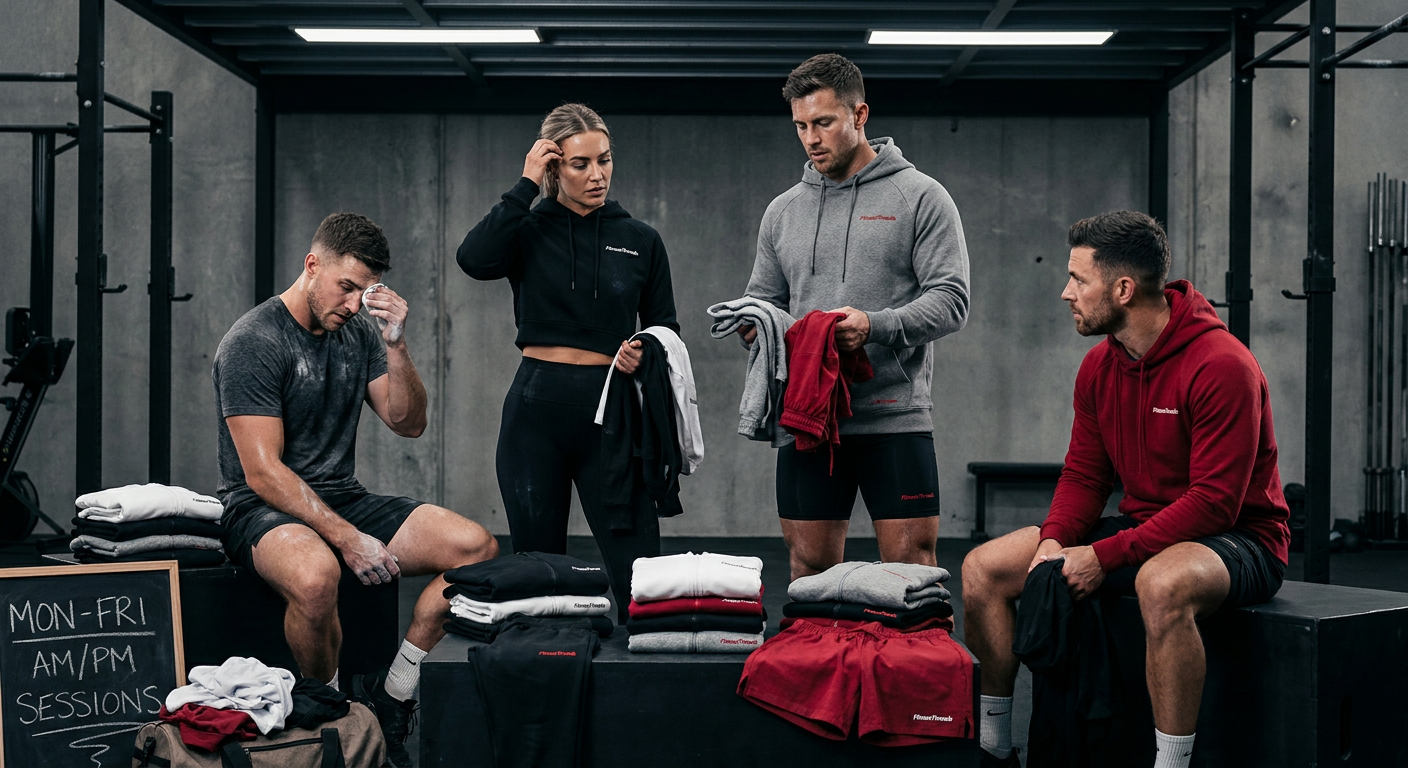
Before you can figure out how many gym outfits you really need, you have to get real about your training frequency. This is the single biggest factor. Are you a 3-day-a-week lifter or a 5-day-a-week cardio machine? Your laundry schedule also plays a huge role here. If you wash clothes mid-week, you can get by with less. If you save it all for Sunday, you'll need more gear to get you through. Let's break it down. For those who train 2-3 times per week, a solid foundation of 3-4 complete outfits is a great starting point. This gives you a fresh set for each session plus a backup. You are never caught scrambling. If you're hitting the gym 4-5 times per week, you should aim for 5-7 outfits. This ensures you have enough performance wear to cover your workouts and a potential extra session. It also gives your clothes a chance to breathe between uses, which is crucial for longevity. For the daily grinders training 6-7 days a week, having 8 or more outfits is ideal. This prevents overuse of your favorite pieces and accommodates different types of workouts, from a heavy leg day to a light recovery session. This baseline is the first step in building a functional and efficient workout wardrobe.
Training Frequency: How Often Do You Work Out?
Creating a foundational capsule wardrobe for fitness is not merely about accumulating gym wear. It's a strategic approach to optimizing your active lifestyle. Your aim is to assemble a versatile collection of high-performance pieces that seamlessly integrate. This allows you to mix and matching pieces for any given workout. This deliberate selection process extends beyond mere aesthetics. It contributes to substantial savings in space, funds, and valuable decision-making time. The essence of a well-curated fitness capsule lies in its emphasis on exceptional quality, inherent versatility, and a fit of gym clothes that instills unwavering confidence. Forget the notion of needing a distinct outfit for every day of the month. Instead, focus on acquiring the *right* garments that mirror your dedication and intensity. This involves prioritizing durable, functional staples that will serve as the bedrock of your personal training style. From this, you can incrementally introduce accent pieces or specialized gear as your training routine evolves. For even more insights, be sure to check our news regularly. The subsequent sections will meticulously delineate the indispensable essentials across various categories, from essential tops and bottoms to critical support layers. This ensures you have a comprehensive guide to women's gym clothes. We also offer gym outfit ideas for men in another one of our extensive guides.
Building Your Fitness Capsule Wardrobe Essentials
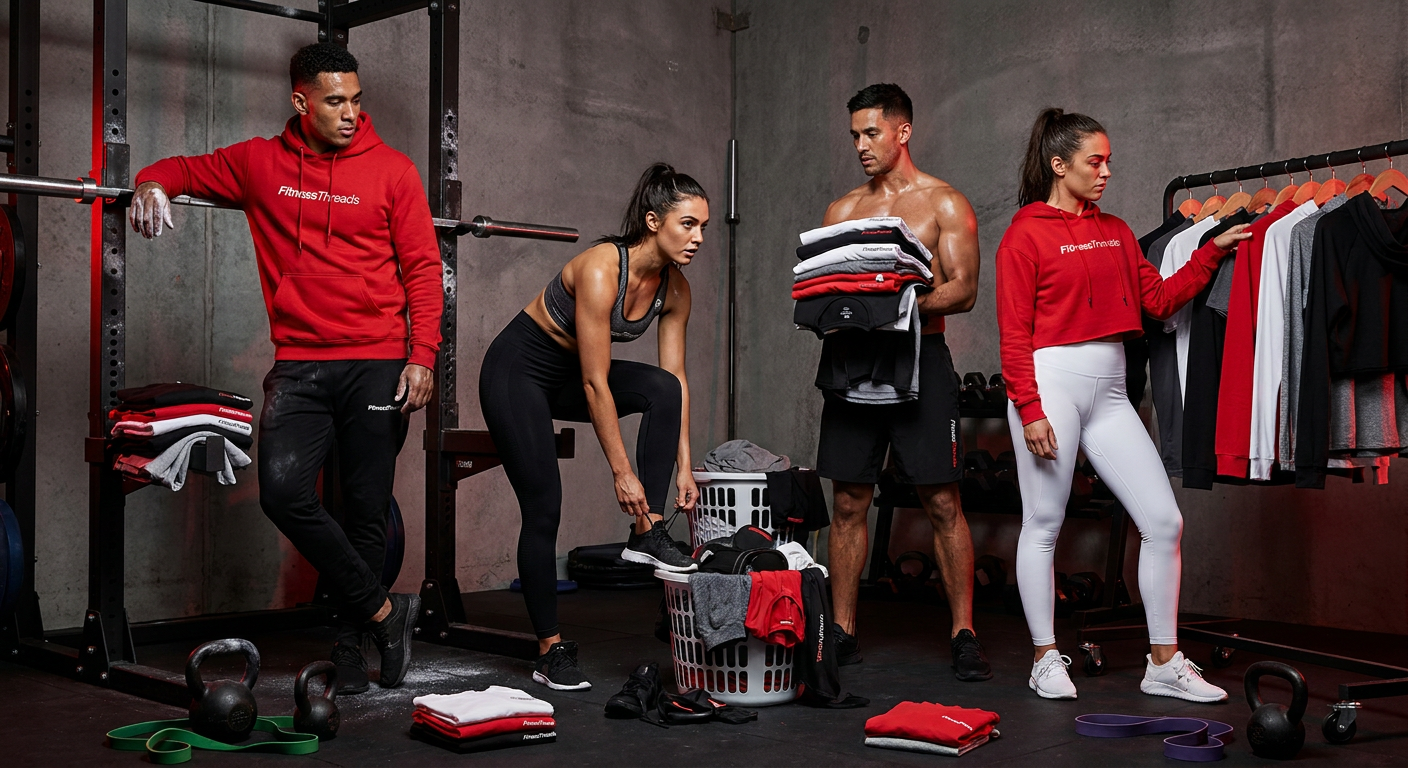
Your tops are your first line of defense against sweat and heat. For a core capsule, aim for 4-6 high-quality tops. This should include a mix of tanks, t-shirts, and at least one long-sleeve option. Moisture-wicking tops are non-negotiable. They pull sweat away from your skin to keep you dry and comfortable, preventing chafing during intense sessions. A couple of relaxed-fit tanks are perfect for heavy lifting days. They offer maximum freedom of movement for your upper body. Add two or three fitted t-shirts for all-around training, from HIIT to cardio. Finally, a versatile long-sleeve top is essential for warming up, cooler gym environments, or outdoor runs. The right collection of tops ensures you're prepared for any session without having an overflowing drawer.
Moisture-Wicking Tops, Squat-Proof Leggings & Versatile Bottoms
You need 3-5 moisture-wicking tops for a functional gym wardrobe. These include 2-3 short-sleeve t-shirts, 1-2 tank tops, and 1 long-sleeve top. Moisture-wicking fabrics like polyester, nylon, and spandex pull sweat away from the body. This prevents chafing and keeps you dry during workouts. For bottoms, aim for 3-4 versatile options. Two pairs of squat-proof leggings are essential for weightlifting and flexibility exercises. Squat-proof leggings offer opacity and durability during deep movements. One pair of athletic shorts is ideal for high-intensity interval training (HIIT) and cardio. They provide freedom of movement and breathability. A pair of comfortable joggers works well for warm-ups, cool-downs, and rest days. They offer a relaxed fit. Ensure all gym attire fits properly. It should allow a full range of motion without restriction or excessive bagginess. Proper fit enhances performance and comfort during physical activity.
Essential Support: Sports Bras & Layers
The *type* of training you do is just as important as the frequency. Not all workouts are created equal, and your gear needs will reflect that. A low-intensity yoga session won't soak your clothes the way a 45-minute spin class will. This is a key factor in figuring out how many gym outfits you really need. For high-intensity, high-sweat activities like HIIT, running, or intense cardio, you absolutely need a fresh, dedicated outfit for every single session. There's no re-wearing a top that's been through a brutal circuit. However, for low-intensity workouts like yoga, stretching, or a light walk, you might be able to wear your leggings or top more than once before washing, provided they air out completely. This is where a deeper guide to women's gym clothes can be useful. If your routine includes a mix of activities, like lifting three days a week and doing yoga twice, you'll want to build a wardrobe that accommodates both. This means perhaps more durable, supportive gear for lifting and more flexible, breathable pieces for yoga. Considering your activity mix prevents you from washing your entire wardrobe after just two workouts.
Workout Intensity: High-Impact vs. Low-Impact Needs
The frequency of your laundry cycle unequivocally dictates the number of gym outfits needed. It establishes a fundamental equation: more frequent washing allows for fewer outfits, while less frequent washing necessitates a larger collection. It's a pragmatic truth that an honest assessment of your laundry frequency is crucial in determining how many gym outfits do I really need. If you consistently manage a small load of activewear every two to three days, a lean capsule wardrobe for fitness comprising four to five complete sets can be remarkably efficient. However, for those who undertake laundry only once a week, a bare minimum number of sets closer to seven or eight becomes essential. This prevents last-minute scrambling for clean performance wear. Beyond sheer numbers, adhering to proper workout clothes care instructions is paramount. Performance fabrics, including moisture-wicking tops and squat-proof leggings, demand specific attention to preserve their integrity and specialized properties.
Neglecting proper garment care, such as allowing sweaty clothes to languish in a hamper, can lead to persistent odors and premature fabric degradation. A highly effective strategy is to rinse and promptly hang-dry your gear immediately following a workout if a full wash isn't feasible. This simple yet impactful step significantly extends the lifespan of your activewear and maintains its freshness. It thereby enhances your overall workout wardrobe rotation and minimizes the true number of gym outfits needed.
Considerations for Different Workout Environments: Indoor vs. Outdoor
Workout environments significantly impact gym outfit requirements. Indoor gym sessions, characterized by controlled climates, demand fewer specialized garments. A basic set of moisture-wicking tops and bottoms suffices for most indoor activities like weightlifting or studio classes. Outdoor workouts, however, necessitate greater wardrobe versatility. Running outdoors in varying weather conditions requires specific apparel. Cold weather running demands thermal layers, including long-sleeved shirts, insulated jackets, and running tights. Rain necessitates waterproof or water-resistant outerwear. Hot weather running requires highly breathable, UV-protective fabrics. Layering becomes crucial for outdoor activities. It allows for temperature regulation. A base layer wicks sweat, a mid-layer provides insulation, and an outer layer offers protection from wind and rain. The number of outfits increases with the diversity of outdoor activities. Trail running, for instance, might require more durable fabrics than road running. Cycling outdoors demands padded shorts and aerodynamic jerseys. Each distinct outdoor environment introduces new clothing considerations, expanding the overall gym outfit collection beyond indoor needs.
The Laundry Equation: How Often Do You Wash?
While discerning a specific number of gym outfits needed offers a helpful starting point, the intrinsic quality of your activewear far surpasses mere quantity in importance. Possessing five high-performance, impeccably fitting ensembles will invariably serve your needs more effectively than a collection of fifteen inexpensive, ill-fitting alternatives. This is precisely where the genuine return on investment in performance wear becomes evident. Superior activewear transcends superficial appearances. It directly correlates with how activewear boosts performance. For instance, fabrics engineered for compression actively aid in optimal muscle support and post-workout recovery. Flat-locked seams expertly prevent chafing during extended runs or high-intensity intervals.
Crucially, squat-proof leggings empower you with the confidence to execute deep movements without a trace of self-consciousness. This ensures your focus remains entirely on your form. When your entire kit, from moisture-wicking tops to supportive bottoms, fits flawlessly and functions without impediment, your attention is undivided. There are no more distracting adjustments to waistbands or straps. This newfound confidence is a potent catalyst for enhanced performance. It allows you to fully immerse yourself in your training routine. It is a far more judicious strategy to gradually cultivate your collection with durable pieces from a trusted brand like FitnessThreads. This is better than impulsively acquiring fast-fashion activewear that will inevitably lose its shape, essential support (sports bras, footwear), and functional capabilities after only a few washes. This approach ensures greater comfort in gym wear and a more sustainable workout wardrobe rotation.
Beyond Quantity: Comfort, Fit, and Performance Wear
Ultimately, the definitive answer to "how many gym outfits do I really need?" is deeply personal. It lacks a universal "magic number." Instead, it necessitates a thoughtful calculation rooted in three pivotal determinants: your training routine frequency, the diverse types of workouts you engage in, and your individual laundry frequency. Begin by establishing a baseline requirement informed by your weekly exercise regimen. Subsequently, adjust this initial figure based on whether your activities lean towards high-sweat cardio or more moderate, low-intensity options like yoga. Finally, temper your count with an honest assessment of your laundry habits to arrive at your final, pragmatic total. For the majority of individuals who consistently train, an ideal number of sets typically falls within the range of five to eight complete outfits.
This allocation provides ample variety and facilitates an effective workout wardrobe rotation. It guarantees that you consistently have access to fresh, high-performance gear. The overarching objective is to construct an intelligent, streamlined workout wardrobe that eradicates any obstacles in your fitness journey. This thereby empowers you to train with absolute confidence. Prioritize unwavering quality, invest judiciously in pieces that ignite a sense of invincibility, and meticulously curate a collection of performance wear that perfectly aligns with your unique lifestyle and fitness aspirations. This ensures optimal hygiene for gym clothes and a long lifespan through vigilant garment care.
Budgeting for Your Gym Wardrobe: Quality vs. Quantity
Budgeting for gym outfits involves a core decision: quality versus quantity. Investing in fewer high-quality pieces, such as Lululemon leggings or Athleta sports bras, often means greater durability. These premium brands typically use advanced fabrics that resist wear and tear, maintain shape, and offer superior moisture-wicking properties. A smaller collection of high-quality items can still provide adequate rotation for a consistent gym schedule. Conversely, opting for more budget-friendly options, like Tek Gear from Kohl's or Old Navy activewear, allows for a larger wardrobe. These garments are generally less expensive per item. This enables the purchase of more outfits for the same budget. However, budget-friendly activewear may show signs of wear more quickly, requiring more frequent replacement. The trade-off impacts the overall number of gym outfits needed. Fewer high-quality items can last longer, reducing the need for frequent purchases. A larger collection of budget-friendly items might necessitate more frequent replacement, despite the lower initial cost per piece. Your personal budget dictates the optimal balance between these two approaches. Consider your workout frequency and laundry habits when making this financial decision.
Frequently asked questions
How many gym outfits do I really need?
How many workout clothes should I have if I go to the gym 3 times a week?
How many gym outfits should I have if I work out every day?
How many gym outfits do I need if I only do home workouts?
How many workout outfits do I need if I do both lifting and cardio?
How many sets of workout clothes should I own if I only do laundry once a week?
How many gym outfits and sports bras do I need for a typical week of workouts?
Is it OK to wear the same gym outfit more than once before washing it?
How many leggings and sports bras do I really need for the gym?
What is a good number of gym outfits to start with if I’m a beginner?
What factors should I consider when deciding how many gym outfits to buy?
Should I buy a separate gym outfit for each workout day of the week?
Is it better to buy a few high-quality gym outfits or many cheaper ones?
How many gym outfits do I need for different seasons (summer vs winter)?
How many tops and bottoms do I need to build a basic gym wardrobe?
How many pairs of gym shorts and T-shirts should a guy have for working out?
Does how often I sweat affect how many workout outfits I need?
Can I get by with just 2 or 3 gym outfits if I wash them frequently?
How many outfits do I need if I do strength training, yoga, and running in a week?
What is the minimum number of workout outfits I need to maintain good hygiene at the gym?
How many gym outfits should I own if I’m trying to build a minimalist workout wardrobe?
Discover more from FitnessThreads
Hand-picked guides and drops, delivered occasionally.
Explore the collection